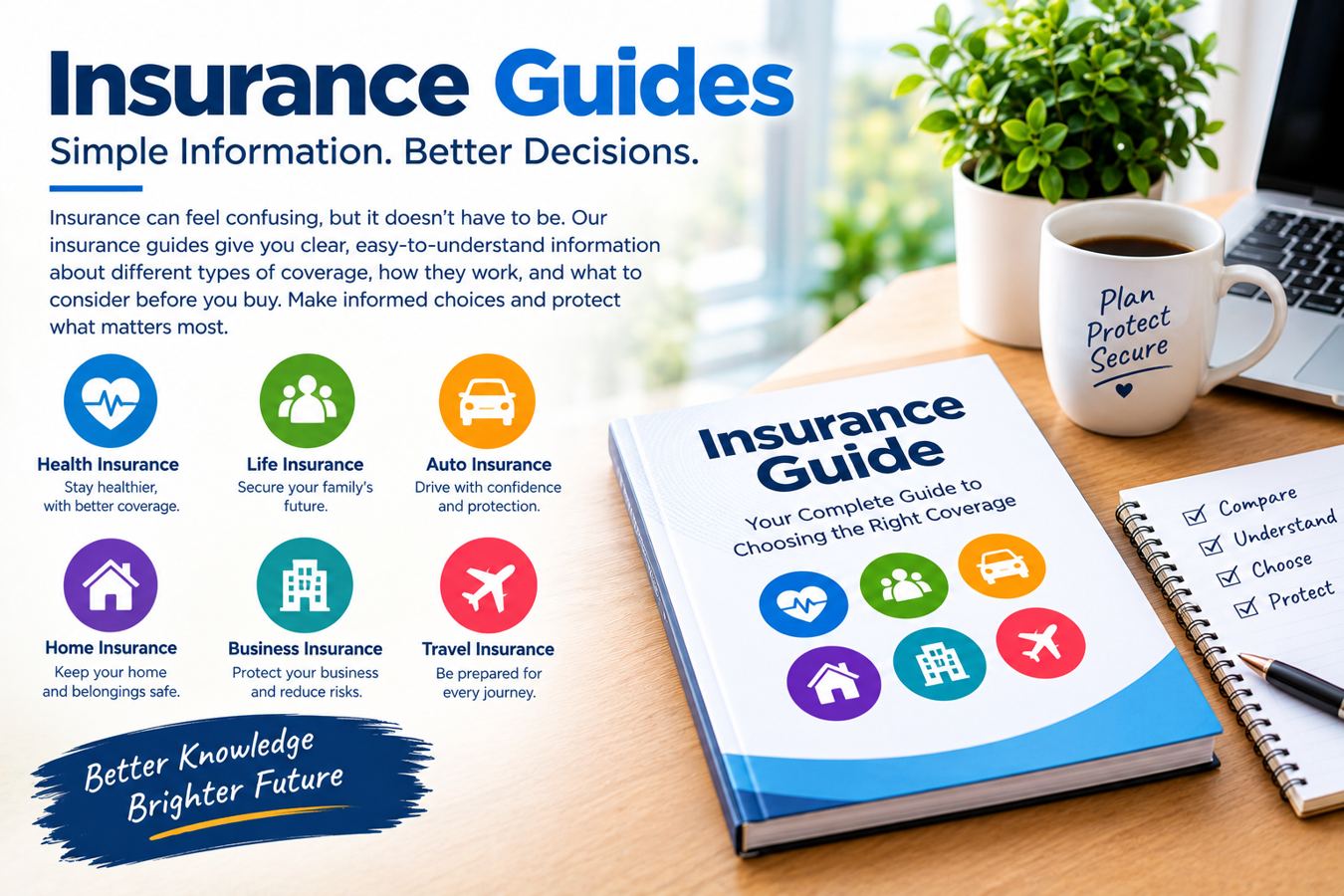
Insurance can sometimes feel complicated. Different policies have different premiums, deductibles, coverage limits, exclusions, and conditions. Whether you are buying insurance for your health, family, vehicle, home, business, or travel plans, understanding the basics can help you make more informed decisions.
An insurance policy is designed to provide financial protection against specific risks. In exchange for a premium, the insurance company agrees to provide certain benefits when a covered event occurs, according to the terms of the policy. Because every policy is different, it is important to understand what you are actually purchasing.
Why Insurance Guides Are Useful
Insurance guides can make complicated information easier to understand. Instead of looking at a policy document without knowing what important terms mean, consumers can first learn the basics of insurance and then examine individual policies more carefully.
A good insurance guide can explain common terms, different types of coverage, costs, exclusions, and factors that may affect a policy.
The more you understand before purchasing insurance, the easier it can be to compare different options.
Health Insurance Guide
Health insurance is designed to help manage eligible healthcare expenses. Depending on the plan, it may provide coverage for medical consultations, hospital treatment, medicines, tests, and other healthcare services.
When comparing health insurance, look beyond the premium. Pay attention to deductibles, copayments, coinsurance, provider networks, coverage limits, exclusions, and waiting periods.
It is also useful to check whether your preferred doctors, hospitals, or other healthcare providers are included in the plan.
Life Insurance Guide
Life insurance focuses on providing financial support to beneficiaries after the death of the insured person, subject to the policy’s terms.
People with dependents may consider life insurance as part of their long-term financial planning. When choosing coverage, consider household expenses, debts, education costs, income replacement needs, and other financial responsibilities.
Term and permanent life insurance can have different features, costs, and structures, so understanding the differences is important before selecting a policy.
Auto Insurance Guide
Vehicles can create several financial risks, including accidents, theft, damage, and liability.
Auto insurance can provide different types of protection depending on the policy. Liability coverage may address certain costs when an insured driver is legally responsible for injury or property damage. Collision and comprehensive coverage may provide protection for the insured vehicle against specified risks.
Drivers should compare deductibles, coverage limits, exclusions, and optional benefits rather than choosing a policy based only on its price.
Home Insurance Guide
A home can be one of the largest financial investments a person makes. Home insurance may provide protection for the building, personal belongings, liability, and certain additional expenses depending on the policy.
Homeowners should pay special attention to exclusions. Certain natural disasters or specific risks may not be included in a standard policy and could require additional coverage.
Keeping an inventory of valuable belongings, including photographs and receipts when available, can also help with documentation if a claim occurs.
Business Insurance Guide
Businesses face risks that can be different from personal risks. Property damage, customer injuries, employee-related incidents, business interruptions, commercial vehicles, and cyber threats are examples of risks that some businesses may need to consider.
The right coverage depends on the industry, company size, location, employees, property, and daily operations.
Business owners should regularly review their policies as the company grows or changes.
Travel Insurance Guide
Travel insurance can help protect travelers from certain unexpected costs during a trip.
Depending on the policy, coverage may include eligible emergency medical expenses, trip cancellation, travel delays, baggage problems, and emergency assistance.
Before traveling, check the policy’s destination restrictions, coverage limits, exclusions, and claim requirements. Travelers should also determine whether activities such as adventure sports require additional coverage.
Understanding Important Insurance Terms
Knowing common insurance terms can make policies easier to compare.
Premium: The amount paid to maintain insurance coverage.
Deductible: The amount the policyholder may need to pay toward a covered claim before the insurer contributes according to the policy.
Coverage limit: The maximum amount the insurer may pay for a particular covered loss or category.
Exclusion: A situation, event, or loss that the policy does not cover.
Beneficiary: A person or organization designated to receive certain insurance benefits, such as a life insurance death benefit.
Understanding these terms can help consumers read insurance documents more confidently.
Compare Before You Buy
One of the most useful insurance habits is comparing policies before making a decision.
Look at the premium, coverage limits, deductibles, exclusions, claim process, renewal conditions, and additional benefits.
Two policies may have similar prices but provide very different levels of protection. Therefore, comparing the actual coverage is more useful than comparing price alone.
Review Your Insurance Regularly
Insurance needs can change as life changes. Getting married, having children, purchasing a home, buying a new vehicle, starting a business, moving, or acquiring valuable belongings can affect your insurance requirements.
Reviewing your policies periodically can help ensure that your coverage and personal information remain up to date.
Final Thoughts
Insurance does not eliminate risks, but appropriate coverage can help manage the financial consequences of certain unexpected events.
The key to better insurance decisions is knowledge. Understand your risks, learn the important policy terms, compare different options, read exclusions carefully, and review your coverage as your circumstances change.
Whether you need health, life, auto, home, business, or travel insurance, taking time to understand the policy before purchasing it can help you make a more informed choice.
Note: Insurance laws, products, prices, coverage, exclusions, and requirements vary by country and insurer. This article is for general educational purposes and does not replace an actual insurance policy or professional advice.